COVID-19 response: Masks for refugees
Published on 25. August 2021
from CADUS-PR
covid-19-response-masken-fC3BCr-geflC3BCchtete-kopie-feature-Masks20for20Europes20Borders
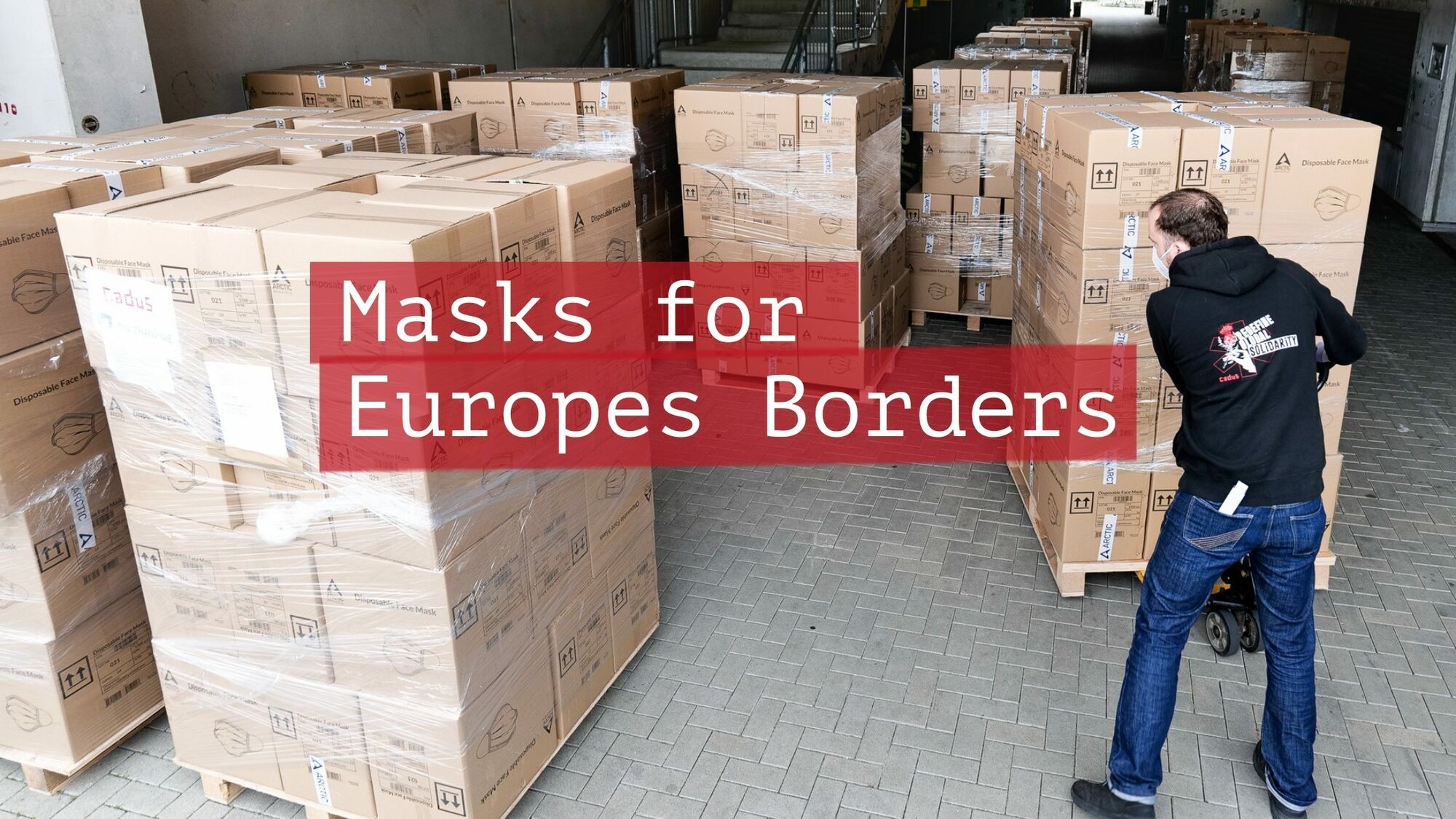
For a large donation of 1.5 million surgical masks, we organized the distribution to 20 humanitarian organizations across Europe that are active in the care of refugees.
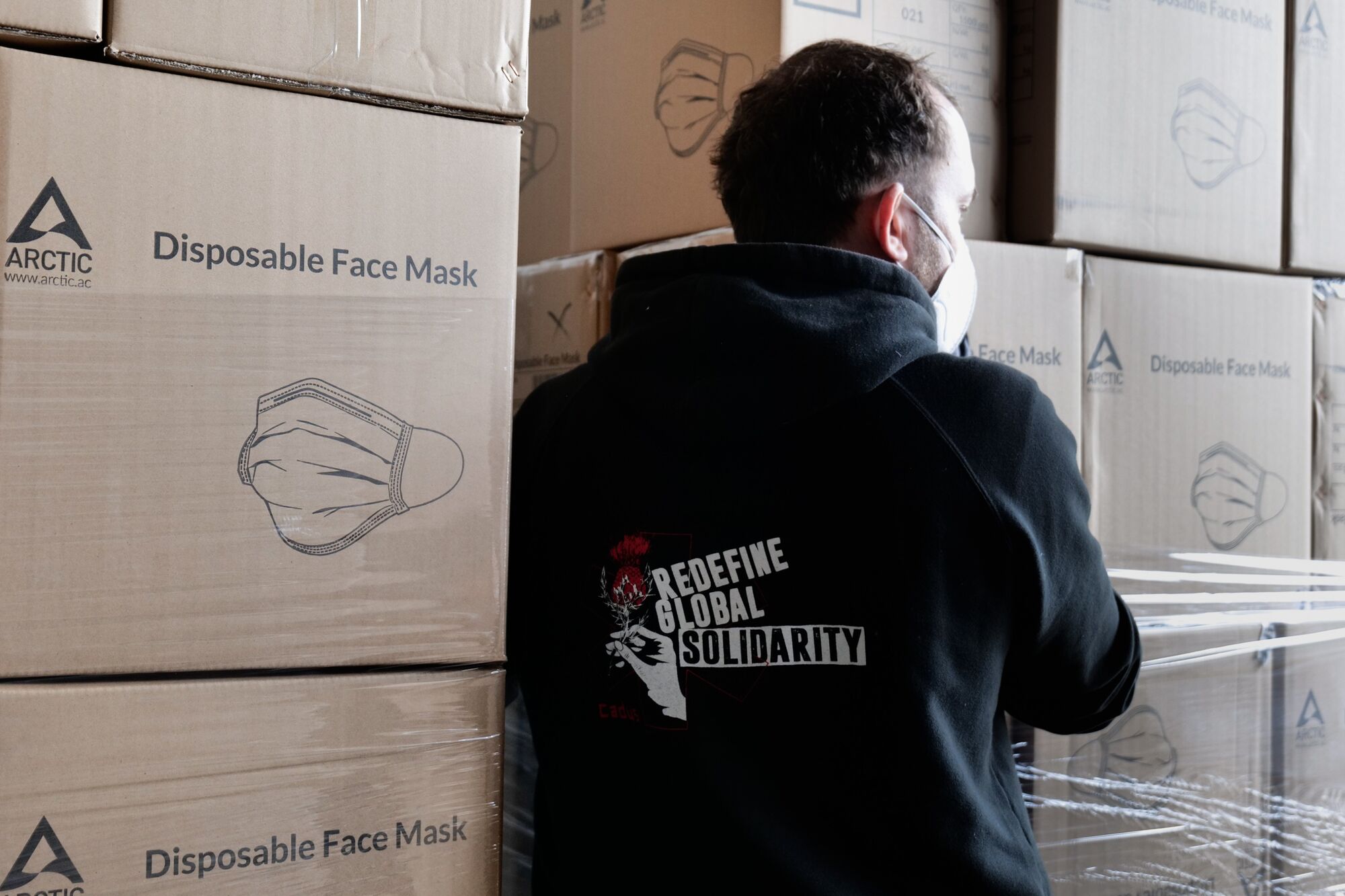
In regular and irregular refugee camps at the external borders of Europe, a supply of masks to fight the pandemic is still not guaranteed. In order to get the donated masks exactly where they are needed most, we queried the needs of numerous organizations across Europe working in this field.
Strong network
With the support of the Hamburg soccer club St. Pauli, we repackaged the masks and the logistics organization humanilog took over the transport to the 30 organizations that will in turn distribute the masks to refugees.
A large part of the masks will be delivered to Greece, mainly to the islands near the European border. Other destinations include organizations in Serbia, Bosnia and Spain. These are exclusively non-profit, non-governmental, self-organized organizations. In part, they are initiatives by refugees for refugees.
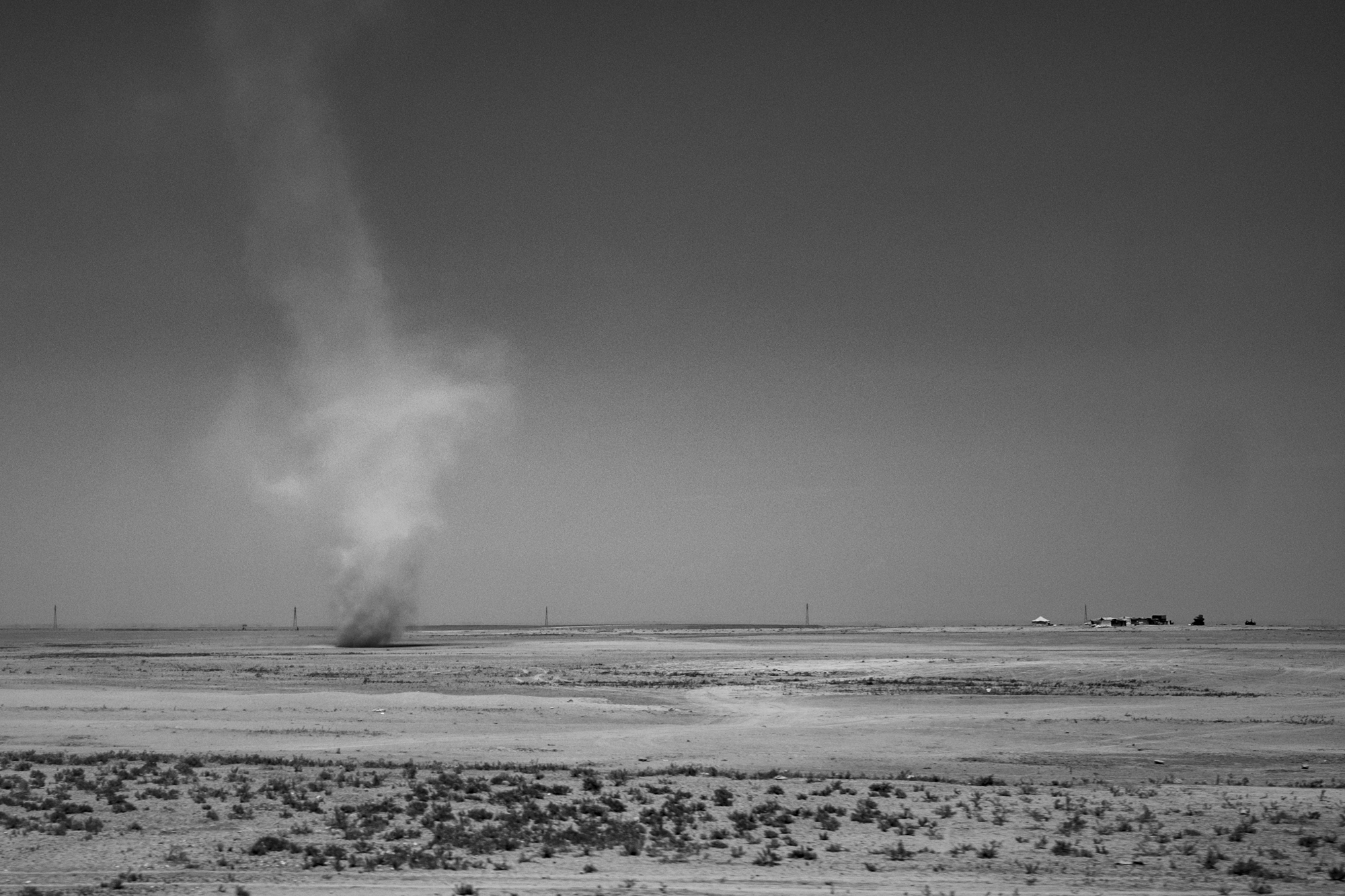
Heat – More than just hot
Climate change will lead to an increase in prolonged heat waves. Yet heat is much more than just a weather phenomenon. It affects our social life, health, the environment, politics, and, very specifically, our operations in crisis areas – and thus becomes a matter of global justice.
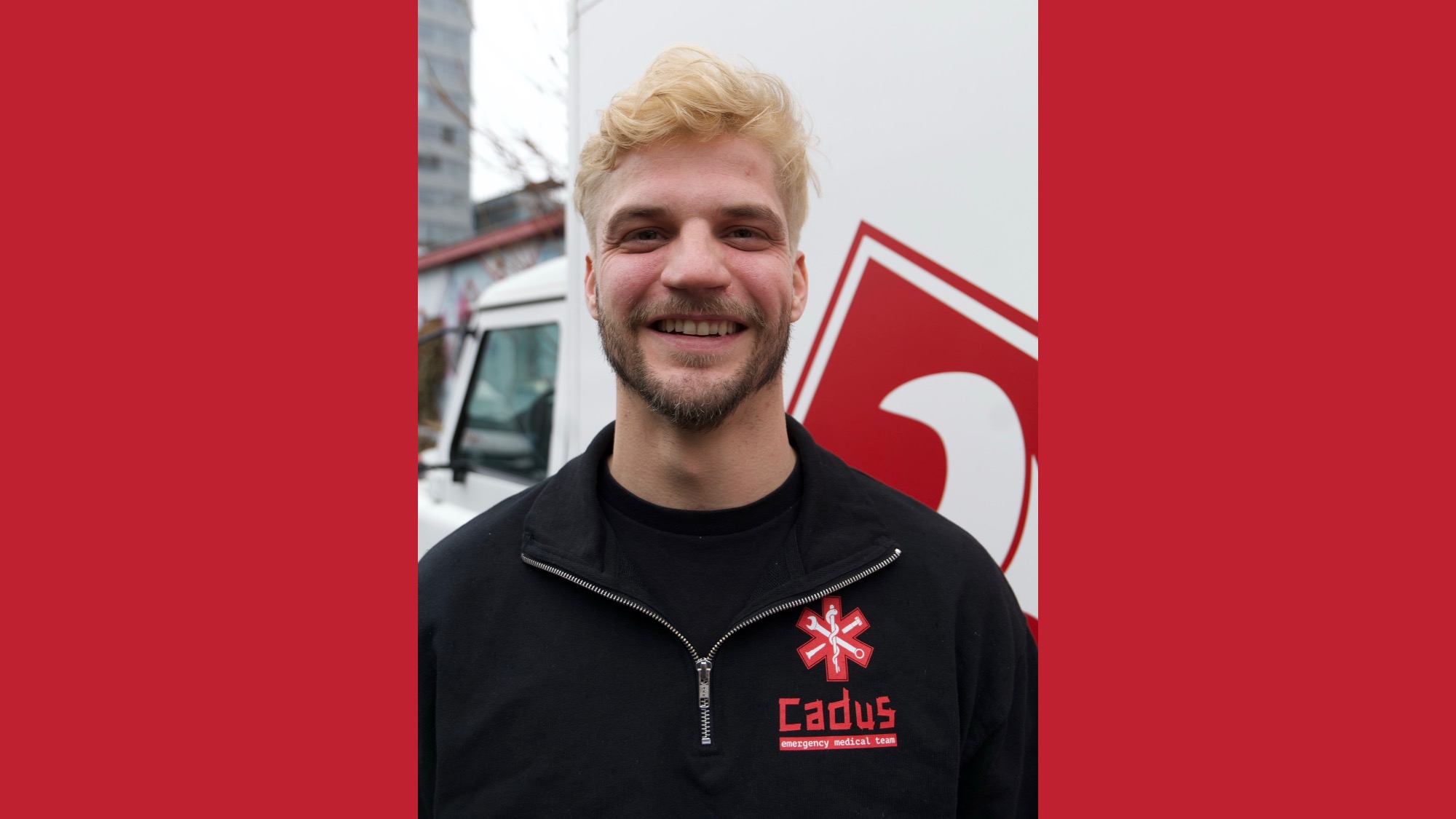
Meet Our Team: Felix, Head of Finance
Behind every humanitarian response in a crisis zone is a team based in Berlin that ensures everything runs smoothly. One of them is our colleague Felix. He has been with CADUS for two years, and for over a year he has been leading our financial management as Head of Finance. In this interview, he explains how he and his team bridge the gap between the German tax office and the reality on the ground in a war zone.
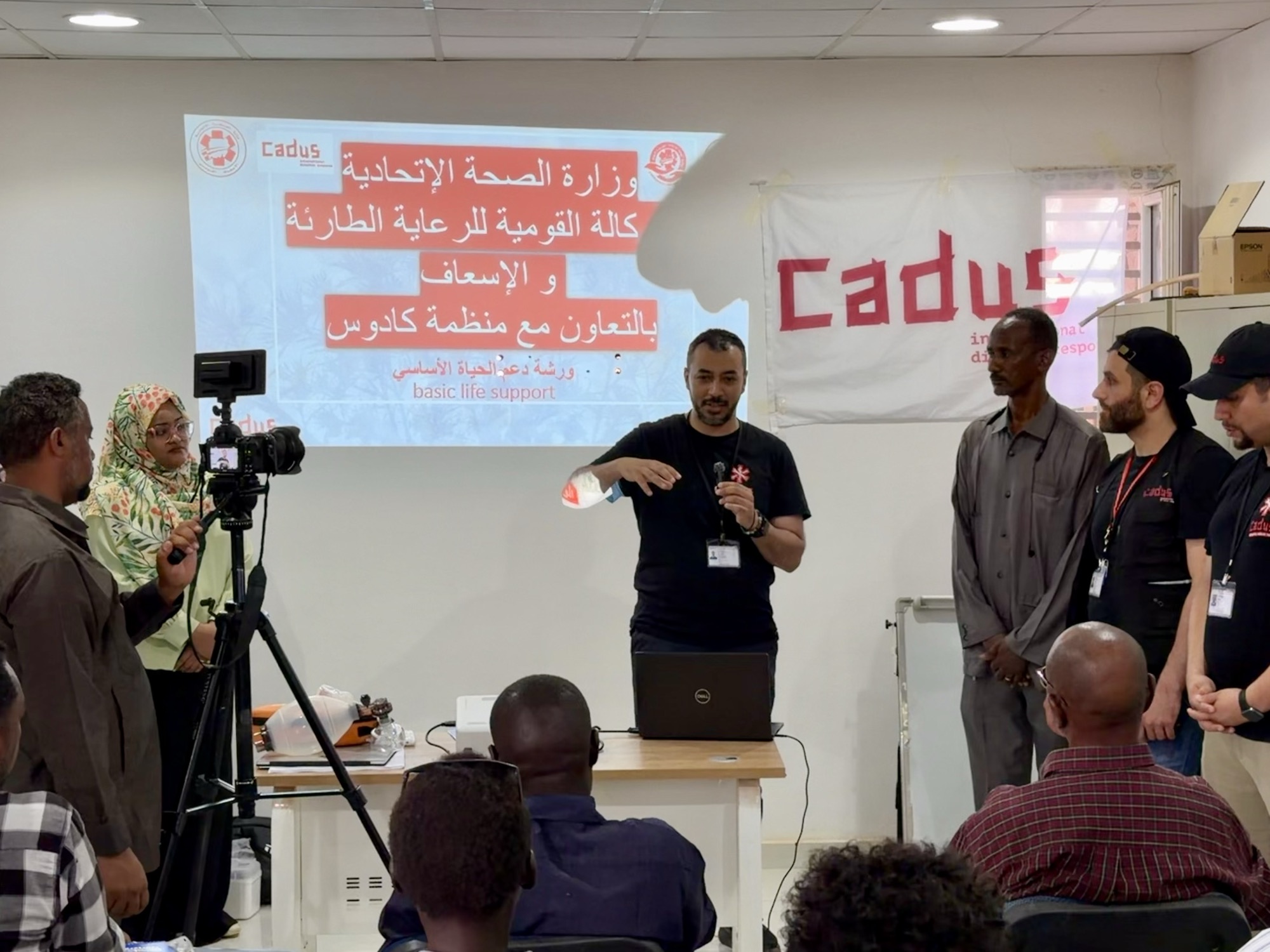
“Operating in Sudan requires constant flexibility and adaptation.”
Years of conflict have pushed Sudan’s healthcare system to the brink of collapse. In this interview, our colleague Dr. Hisham Abdulaziz discusses the challenges of working in an unstable environment and explains why the resilience of local health care workers is the foundation of all humanitarian aid.